 December 5, 2025
 11 min read
In the world of modern insurance, paper is the enemy of speed. Every single day, insurance carriers are flooded with thousands of unstructured documents, including claim forms, medical reports, and repair estimates. This constant influx creates a serious operational bottleneck, forcing staff to spend countless hours on manual data entry. To stay competitive, carriers must leverage OCR for insurance documents to transform static files into actionable, digital data.
By implementing AI-powered solutions like pdftoexcelconverter.ai, insurers can automate insurance claim processing, reducing the “First Notice of Loss” (FNOL) time and significantly lowering operational costs.
What is Insurance OCR? Beyond Simple Text Recognition
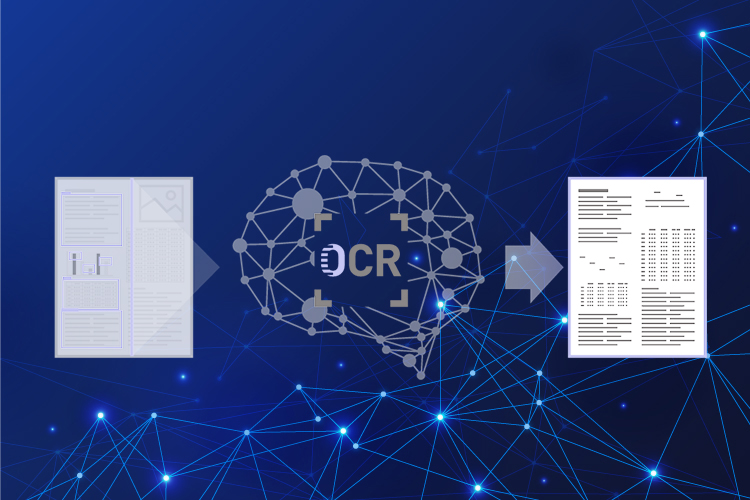
Many people confuse OCR with simple scanning. However, modern OCR for insurance documents technology is much more advanced. It doesn’t just take a picture of a page; it utilizes contextual intelligence to understand the data it reads.
State-of-the-art OCR for insurance documents software can distinguish between a policy number, a claim date, and a claimant’s name automatically. This is made possible through Natural Language Processing (NLP) and Machine Learning (ML), which allow the system to learn from complex layouts and improve accuracy over time. Unlike traditional template-based tools, AI-driven claim form extraction adapts to messy, unstructured documents effortlessly.
Key Use Cases: Which Documents Can Be Automated?
To achieve the highest ROI, insurers should focus on automating high-volume paperwork that traditionally causes the most delays.
1. Claim Forms & FNOL Automation
The most critical step is the initial claim submission. Using OCR for insurance documents, the system can extract claim form data instantly, capturing incident descriptions and policyholder details without human error. This speeds up the FNOL process, allowing adjusters to start working on the file immediately.
2. Medical Reports & Hospital Bills
Injury claims involve dense medical paperwork. Advanced claim form extraction tools are trained to read complex medical terminology and ICD codes. This ensures that health-related claims are processed fairly and accurately, even when dealing with handwritten doctor notes.
3. Repair Estimates & Invoices
Auto and property claims generate mountains of repair quotes. OCR for insurance documents digitizes these estimates, breaking down parts and labor costs. This allows carriers to cross-reference prices against standard industry rates, preventing overpayment and fraud.
4. ID Verification & Compliance
Legal compliance requires strict identity verification. Insurance document AI can scan driver’s licenses and passports in seconds, ensuring the claimant is the actual policyholder and meeting KYC (Know Your Customer) requirements.
The Automated Workflow: From Ingestion to Settlement

A successful OCR for insurance documents strategy relies on a seamless 4-step digital journey:
-
Multi-Channel Ingestion: Receiving documents via mobile apps, email attachments, or web portals.
-
AI Image Cleaning: Using pre-processing to remove shadows, glare, and noise from accident scene photos.
-
Intelligent Extraction: The OCR for insurance documents engine classifies the document type and pulls specific fields into a structured format.
-
Validation: Cross-referencing extracted data with the internal Policy Administration System (PAS) for 100% accuracy.
Strategic Benefits of Automating Insurance Claims
Why should an insurer invest in this technology? The impact on business metrics is transformative:
-
Faster Settlements: Reduce the claim cycle from weeks to days, improving customer satisfaction.
-
Cost Reduction: Minimize the “Loss Adjustment Expense” (LAE) by reducing reliance on manual data entry teams.
-
Fraud Detection: AI tools can detect manipulated invoices or duplicate claims that a human eye might miss.
-
Audit Readiness: Digital archives provide a clear audit trail for every document processed, essential for Insurance Regulatory Compliance.
The Future: Straight-Through Processing (STP)
The ultimate goal of OCR for insurance documents is Straight-Through Processing (STP). In an STP environment, simple claims—like minor windshield damage—can be received, processed, and paid with zero human intervention. This “Touchless Claims” model is only possible with high-confidence claim form extraction provided by advanced AI platforms.
Frequently Asked Questions (FAQ)
Can OCR read handwritten insurance forms?
Yes, modern ICR (Intelligent Character Recognition) technology can interpret handwriting on police reports and witness statements with high accuracy.
Is my data secure during the extraction process?
Absolutely. Professional platforms like pdftoexcelconverter.ai use end-to-end encryption and comply with GDPR/HIPAA standards to protect sensitive claimant information.
How do I integrate OCR into my current system?
Most OCR for insurance documents solutions offer APIs that plug directly into your existing CRM or Claims Management System, allowing for a frictionless data flow.
Conclusion: Embrace the Future of Claims
The insurance industry is at a turning point. OCR for insurance documents is the key to transforming a slow, expensive cost center into a lean, competitive advantage. By choosing to automate insurance claim processing, you protect your profits and serve your customers better when they need you most.
Don’t let manual paperwork hold back your business growth. Experience the speed and precision of AI-powered document management today.
Why pdftoexcelconverter.ai is The Right Solution For You?
At pdftoexcelconverter.ai, we specialize in the most accurate OCR for insurance documents technology on the market. Our platform is engineered to handle the complexities of claim form extraction, ensuring that your data is perfectly structured and ready for your database.
We prioritize security, speed, and seamless integration, helping insurance carriers move toward a truly paperless and automated future. Trust pdftoexcelconverter.ai to streamline your claims operations and reduce your operational overhead.